Sunset Lakes

Design review pictures

Sheds and exterior structures

To maintain the community’s design integrity, all exterior structures must be finished exclusively in wood, stone, brick, or stucco. Alternative materials, including vinyl siding and imitation wood, are strictly prohibited. Furthermore, structures must be discreetly positioned and thoughtfully integrated into the property’s natural landscape through strategic screening.

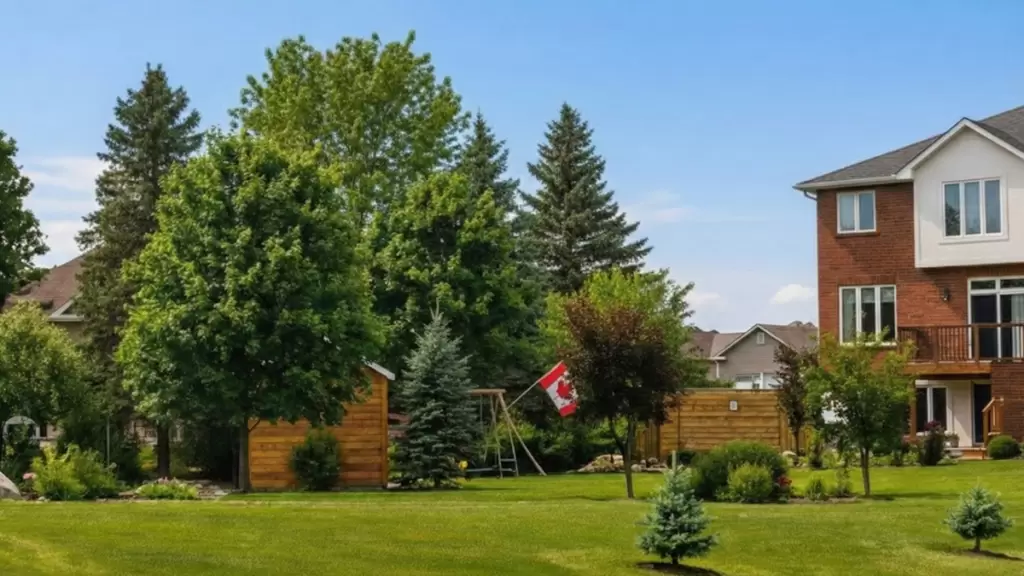
shed: natural wood siding (approved)

Properly Integrated: This shed is approved as it utilizes natural wood cladding and is discreetly positioned to remain integrated into the property’s existing greenery.

shed: proper screening (approved)

Approved Installation: By using real wood and placing the structure behind natural tree screening, this shed successfully meets all community architectural standards.

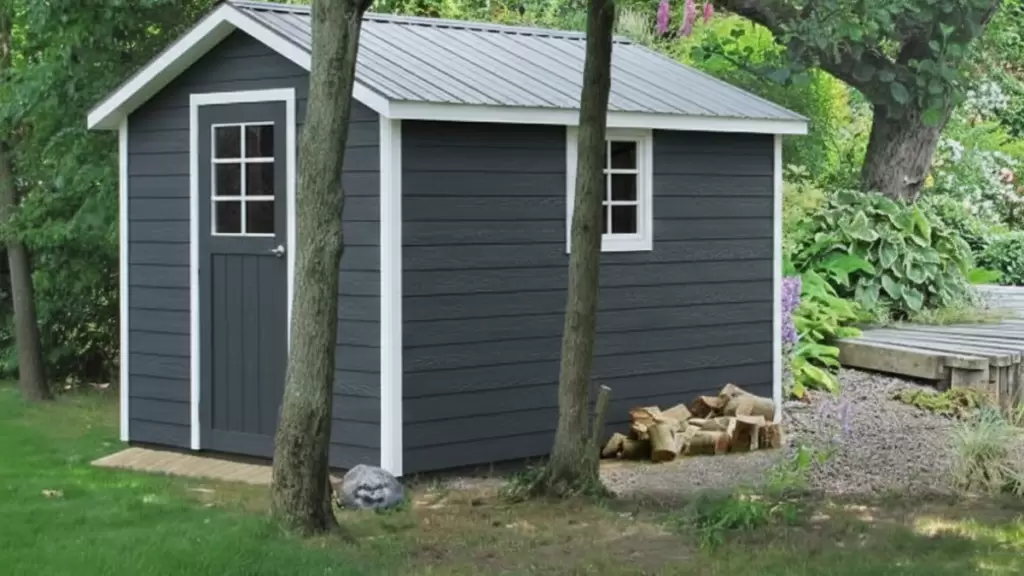
shed: Composite siding (Not approved)

Non-compliant. This shed with CanExel exterior cladding is a prohibited material for all accessory structures within the association.

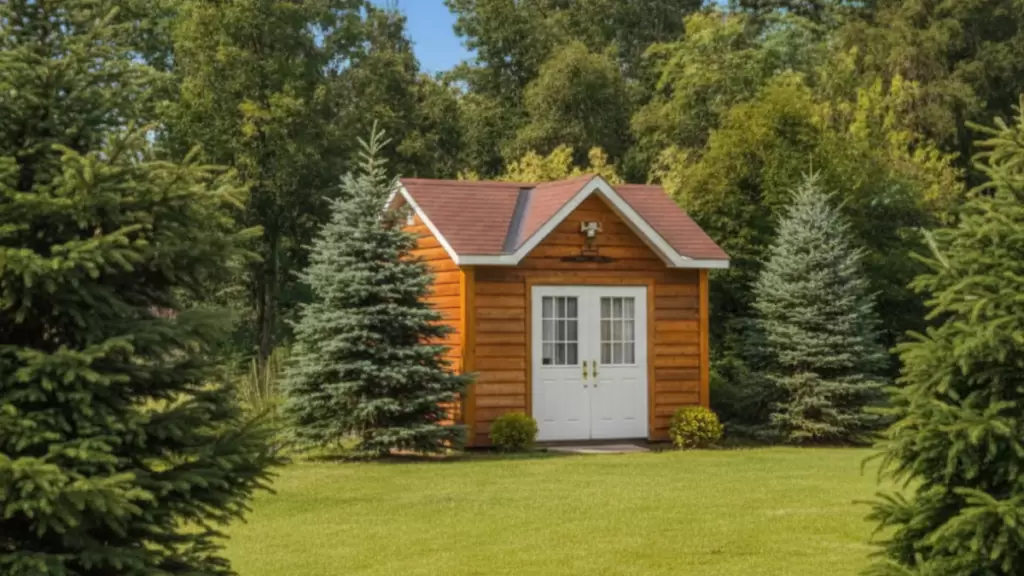
Shed: Natural Wood Siding (APPROVED)

This shed is permitted as it utilizes real wood, an approved natural material, and is integrated into the landscape with trees for proper screening.

Note: These images are examples only. All projects must be submitted via the Design Review form for formal approval.

Fences, Hedges and Privacy Screens

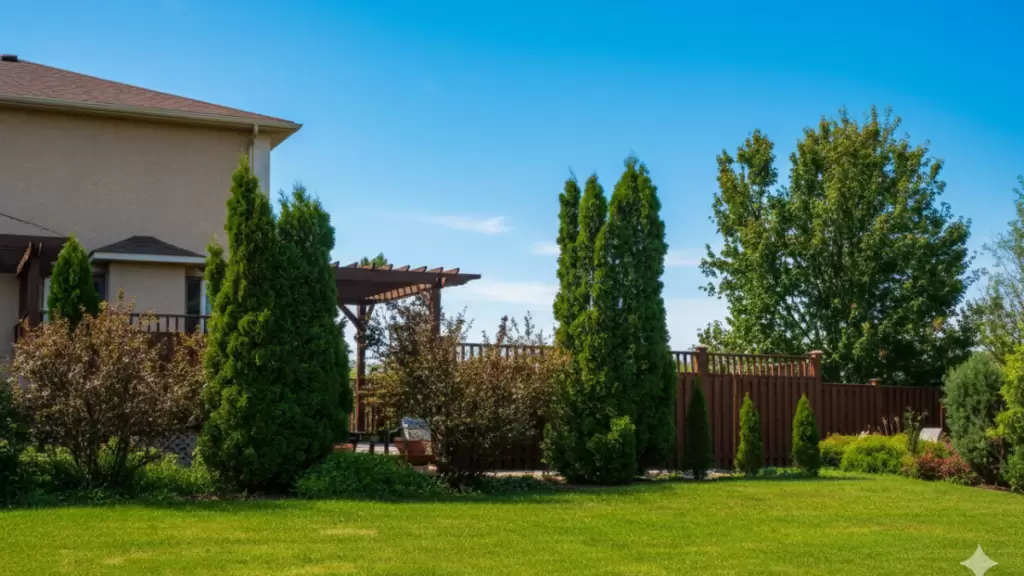
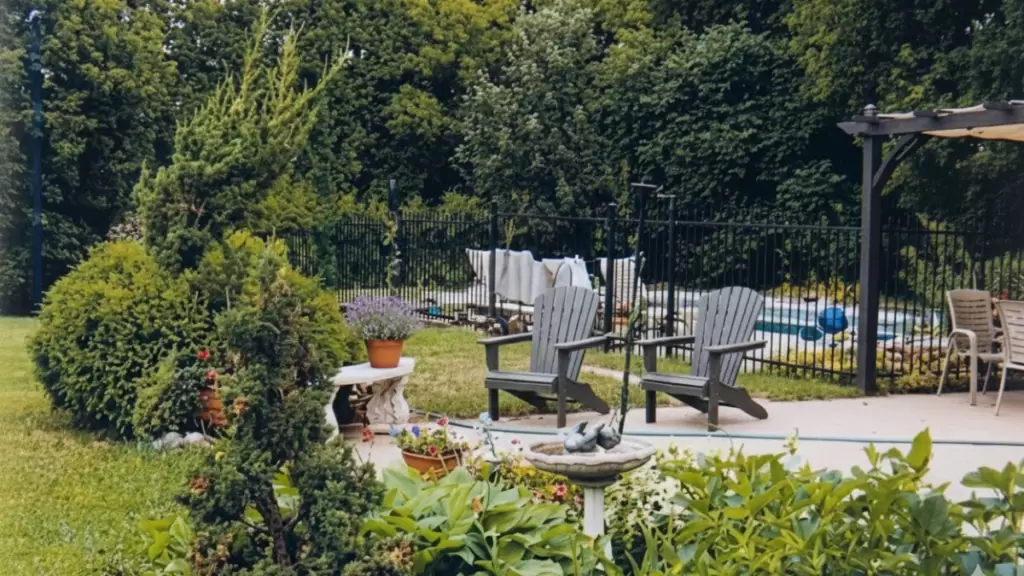
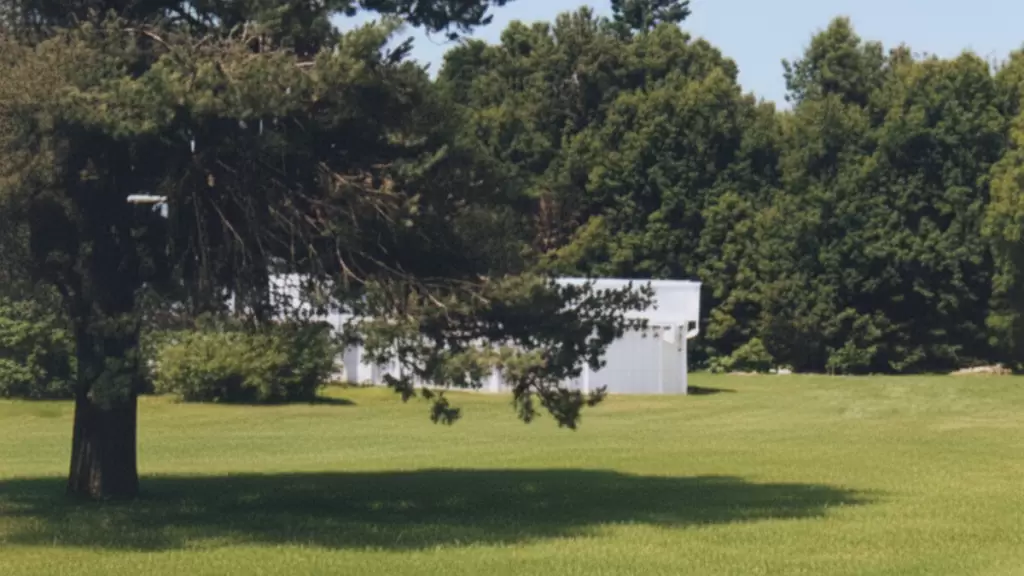
To preserve the open, natural character of the community, fencing or hedging intended solely as property line delineation will not be approved. All permitted installations must be effectively screened with diverse plantings to ensure aesthetic harmony for both neighbors and passersby. Please note that fences and hedges are restricted from front yards, trail areas, and drainage easements; the use of natural tree clusters is the community’s preferred standard for achieving privacy.

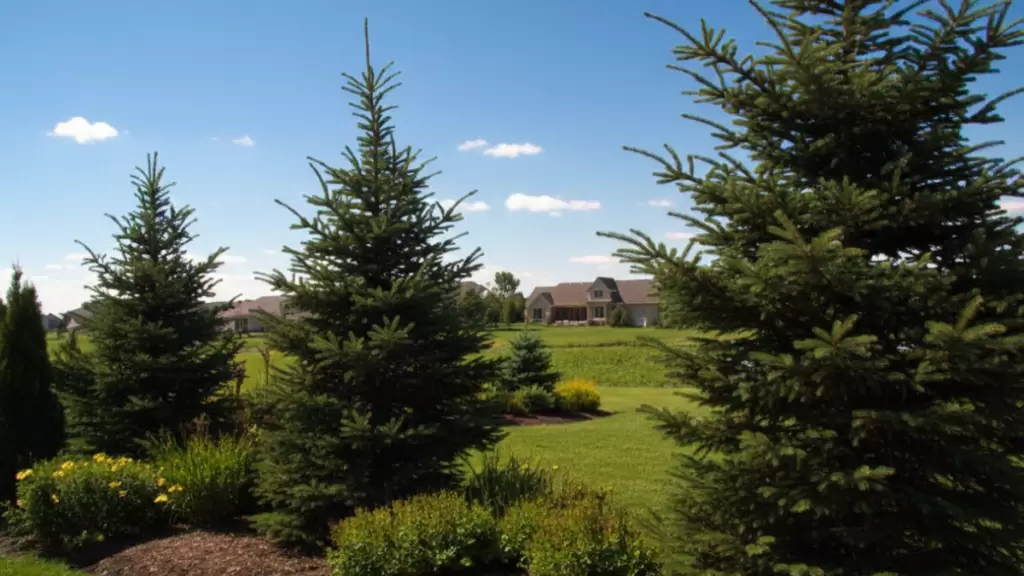
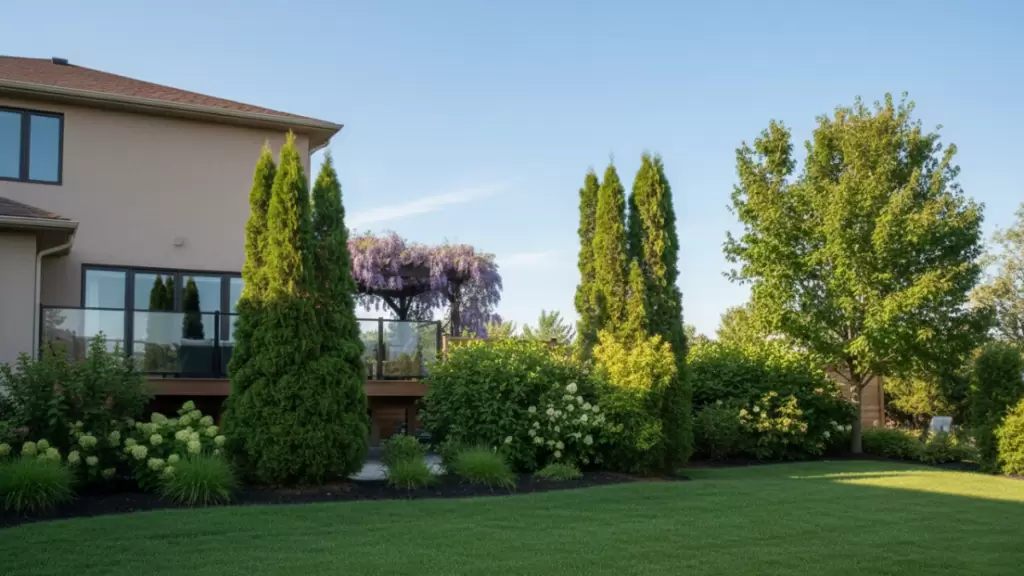
screen: NATURAL EVERGREEN BUFFER (approved)

Utilizing a multi-layered buffer of diverse evergreens is the optimal way to maintain the community’s wooded character. By preserving or planting varied coniferous species, homeowners create a soft, organic screen that provides excellent sound attenuation and a seamless transition into the natural surroundings

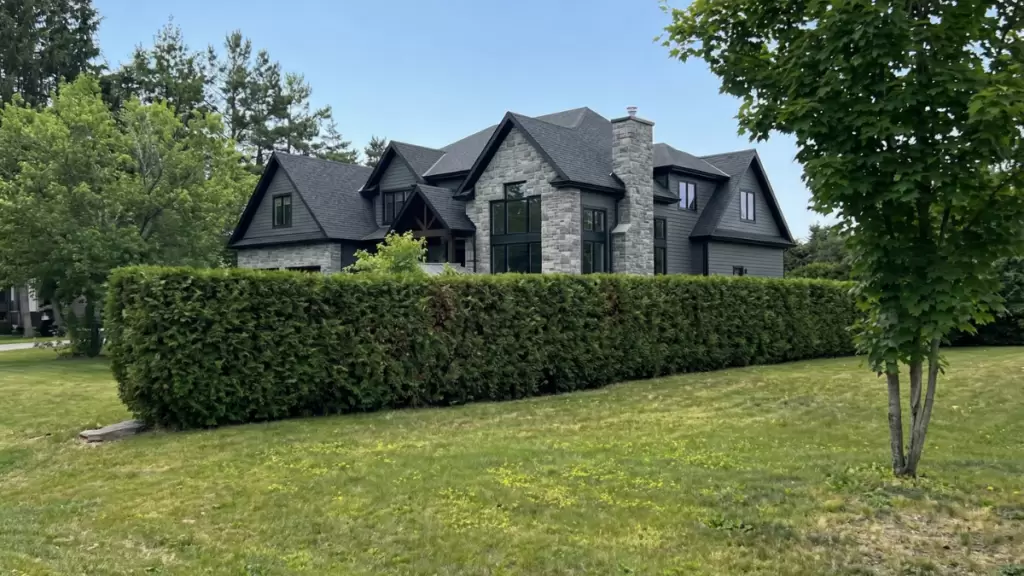
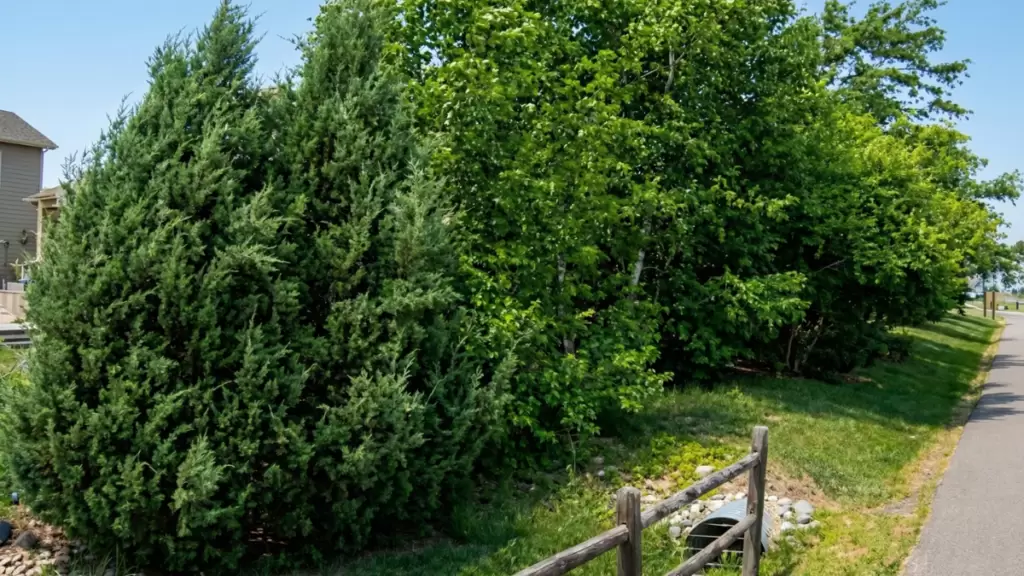
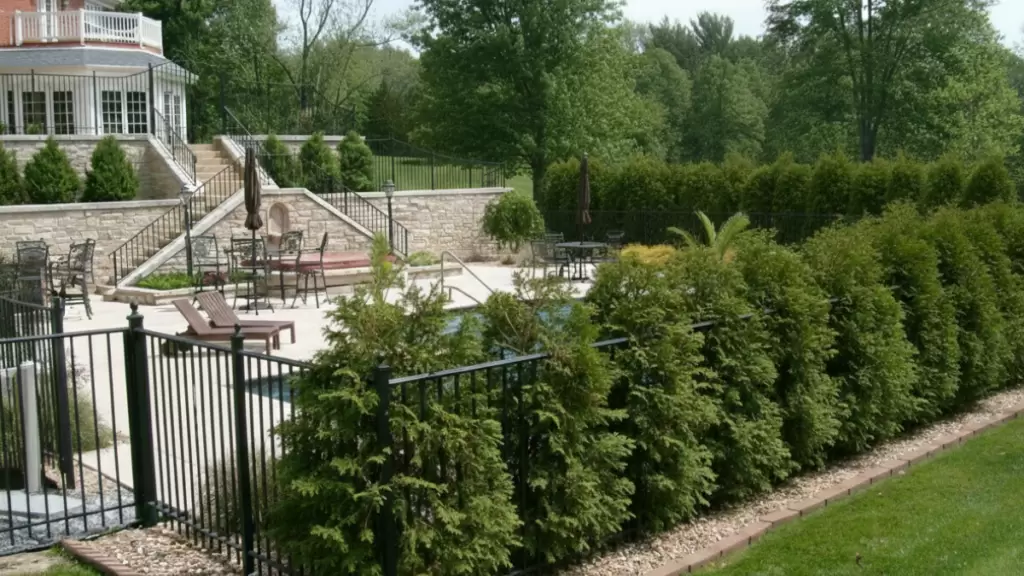
hedge: STRUCTURED CEDAR HEDGING (NON-PREFERRED)

While cedar hedges provide privacy, they are a non-preferred screening. This formal, monoculture approach lacks the ecological diversity and rugged, wooded aesthetic. Homeowners are encouraged to opt for naturalized evergreen clusters instead.

screen: Mature Evergreen Asset (approved)

Optimal use of natural assets by utilizing a multi-layered buffer of mature evergreens to create a functional privacy screen. The dense, year-round foliage of these coniferous trees serves as a sophisticated sound and visual barrier

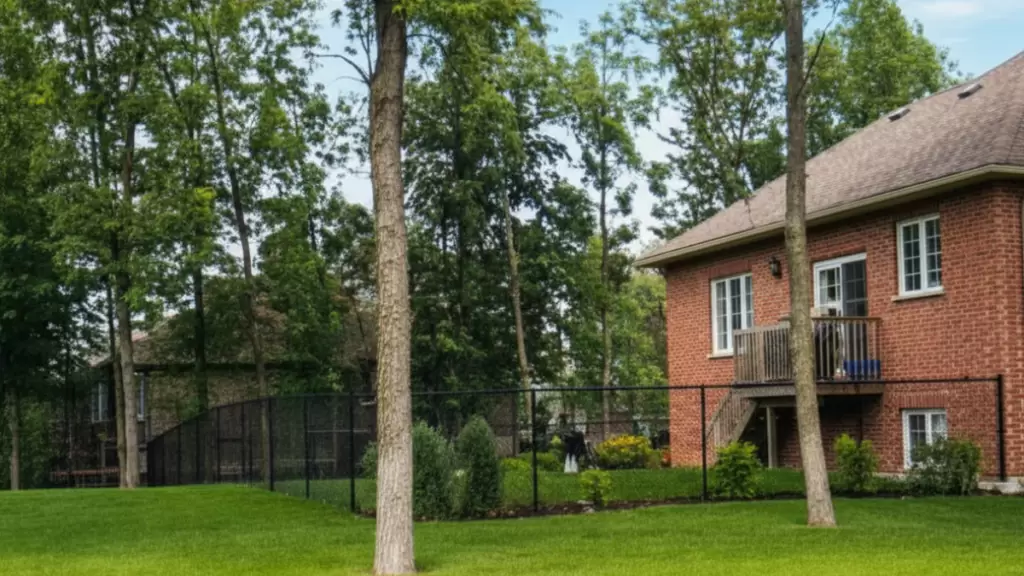
Fence: Improper Landscape Integration (not approved)

To maintain the natural aesthetic all fence installations must be screened by dense plantings or strategic hedging to ensure the industrial hardware remains hidden from street view and neighboring properties.

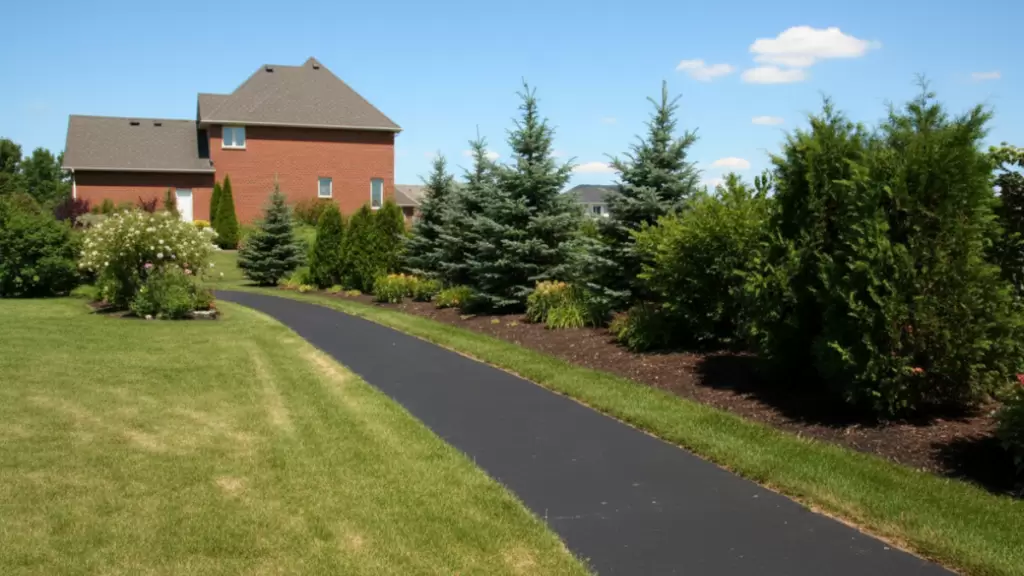
screen: Boundary Buffering (Aprroved)

This landscape is a prime example of an effective natural buffer screen, as the dense layering of varied coniferous trees creates a year-round visual and sound barrier. By integrating these mature evergreens into the property's perimeter, the homeowner successfully achieves private, secluded outdoor spaces while maintaining the community's lush, natural aesthetic.

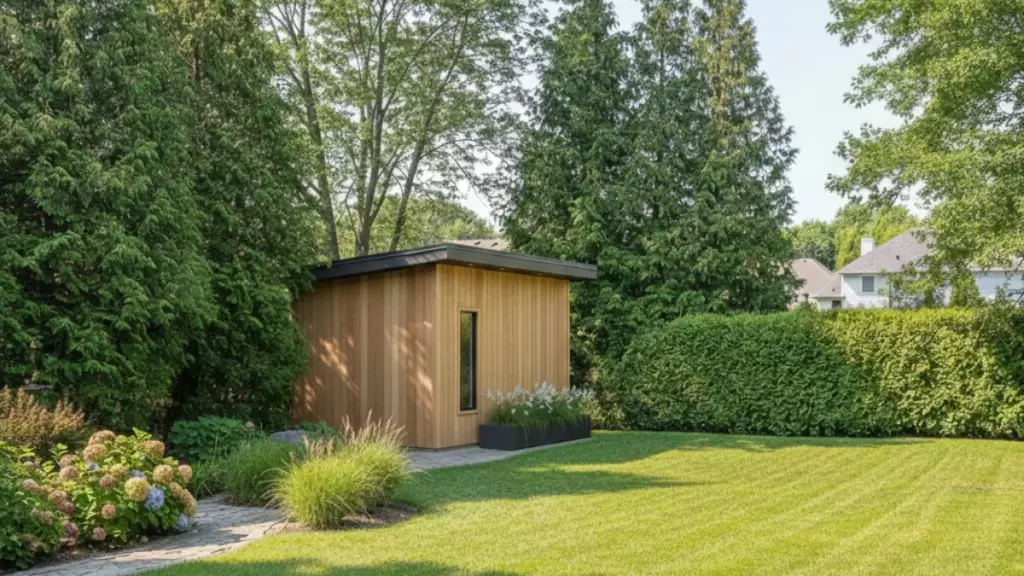
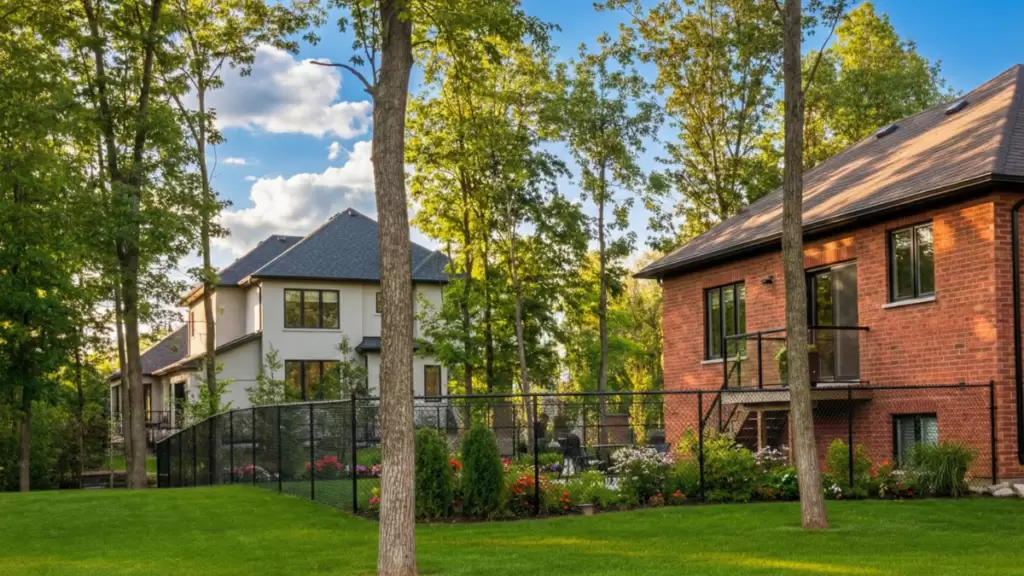
Fence: no screening (not approved)

Non-Compliant Installation: The black chain-link fence shown here is prohibited as it lacks the necessary natural screening required to integrate the structure into the property's landscape.

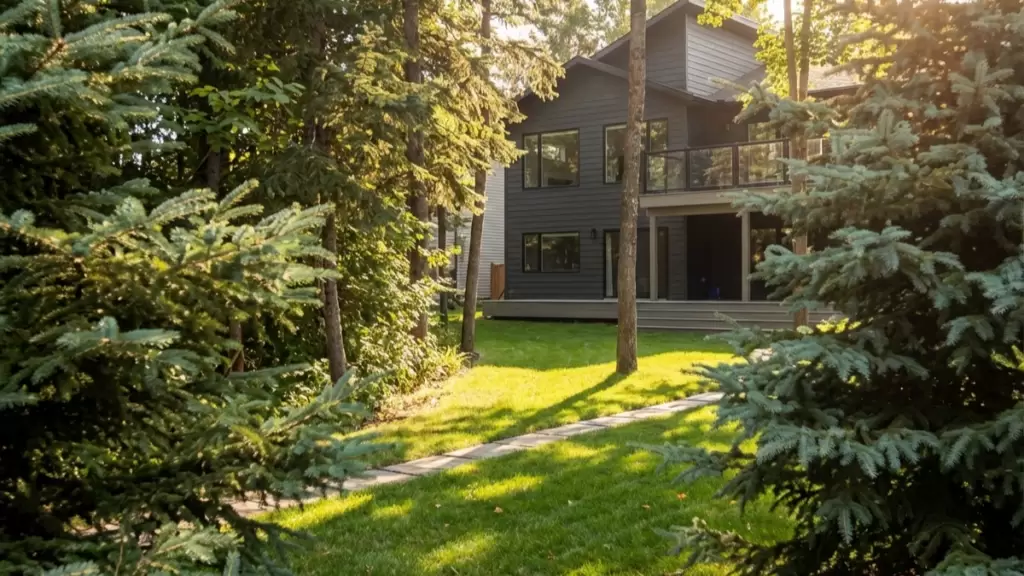
Screen: natural buffer (approved)

Model Screening: A prime example of proper integration, utilizing non-linear tree clusters to create a secluded sanctuary.

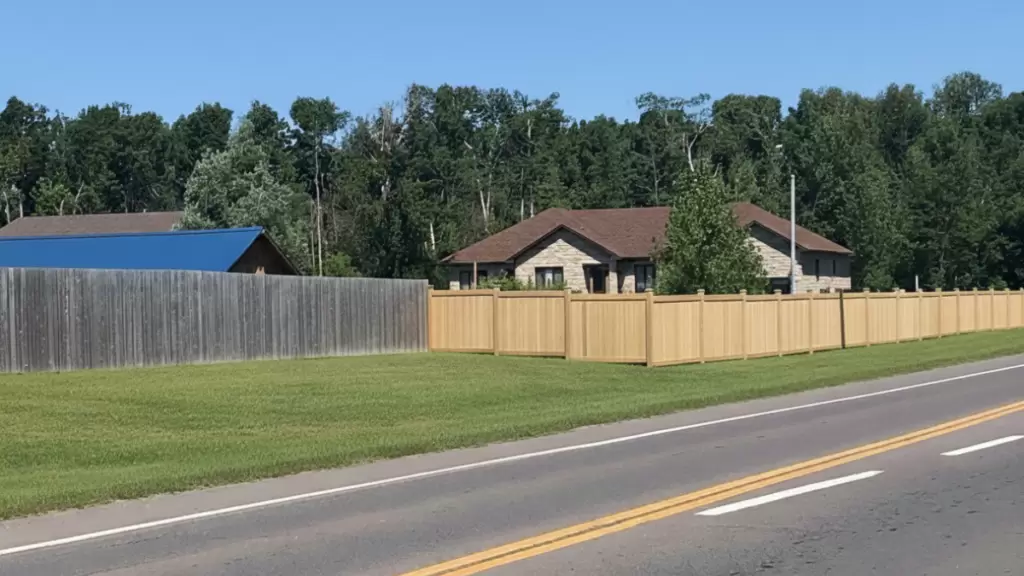
fence: Poor screening, boundary delineation (not approved)

Failure to Integrate: By delineating the property line, this fence creates a visible barrier that is not properly screened or integrated into the property's natural landscape.

Note: These images are examples only. All projects must be submitted via the Design Review form for formal approval.

Tree Retention

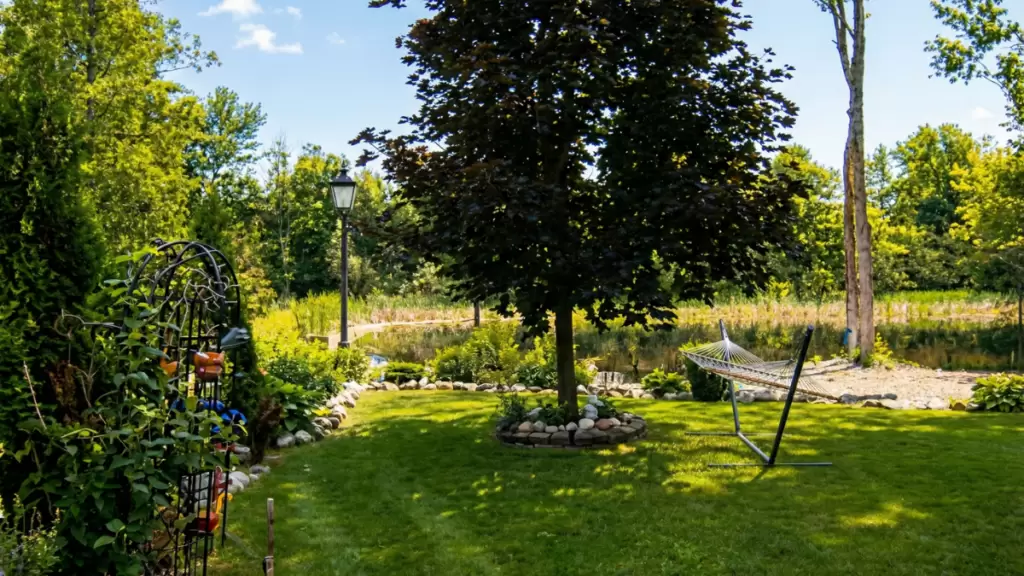
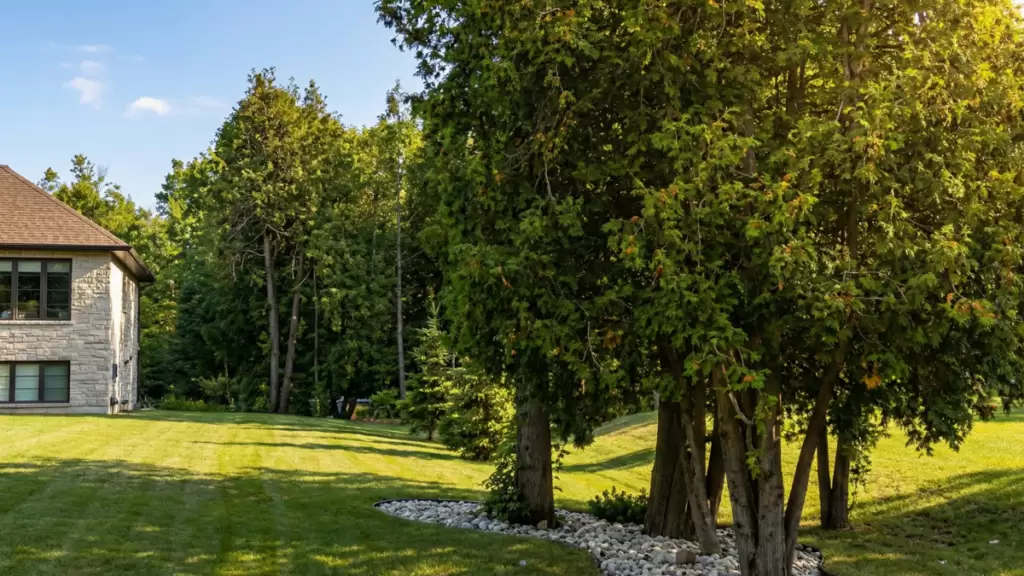
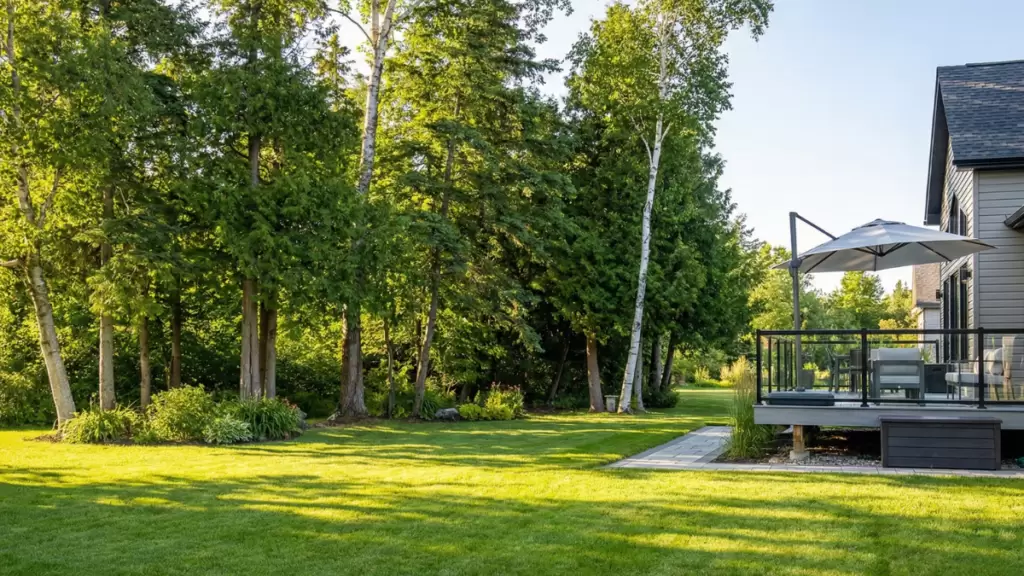
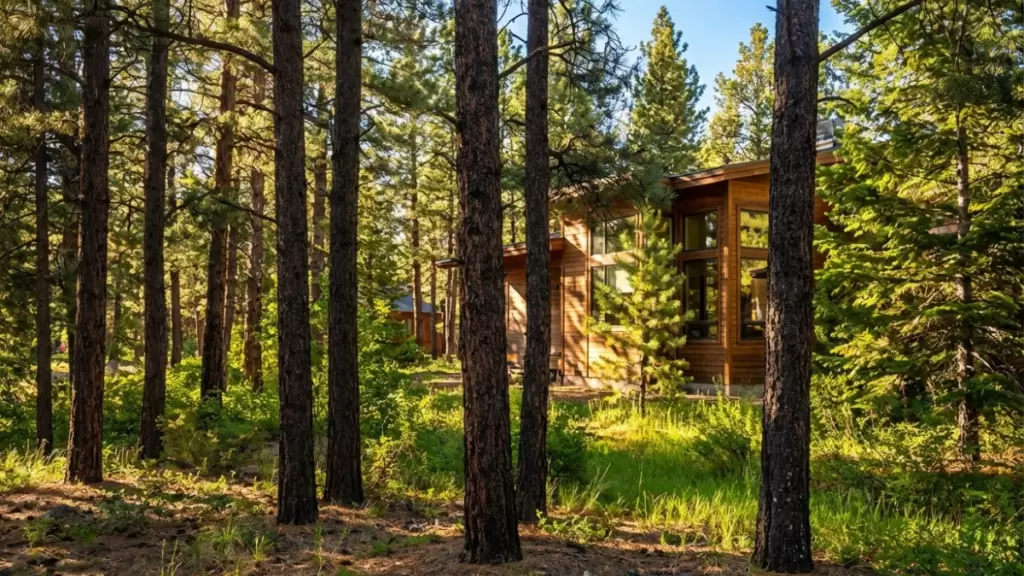
To protect the mature tree canopy, written consent is strictly required prior to the removal or damage of any tree exceeding ten centimeters in diameter. Retention of the existing forest cover is mandatory, with exceptions granted only for specific areas authorized for excavation following a formal Design Review approval.

mature tree preservation (optimal)

Integrating the old with the new: A prime example of preserving mature trees during a site refresh.

shoreline tree retention (highly encouraged)

Rooted in Beauty: Protecting the existing canopy to enhance the shoreline’s character.

tree intergration (Standard)

A seamless blend: Mature trees successfully integrated into the new landscape design.

strategic preservation (Highly Encouraged)

The best of both: Harmonizing mature greenery with new site developments.

tree preservation (Optimal)

A Secluded Sanctuary: Preserving the existing canopy to create a private, woodland retreat.

strategic retention (Standard)

Sustainable design: Strategic retention and integration of established trees within the new landscaping.

Note: These images are examples only. All projects must be submitted via the Design Review form for formal approval.

Exterior Storage (Vehicles, boats, trailers, RV’s, etc.)

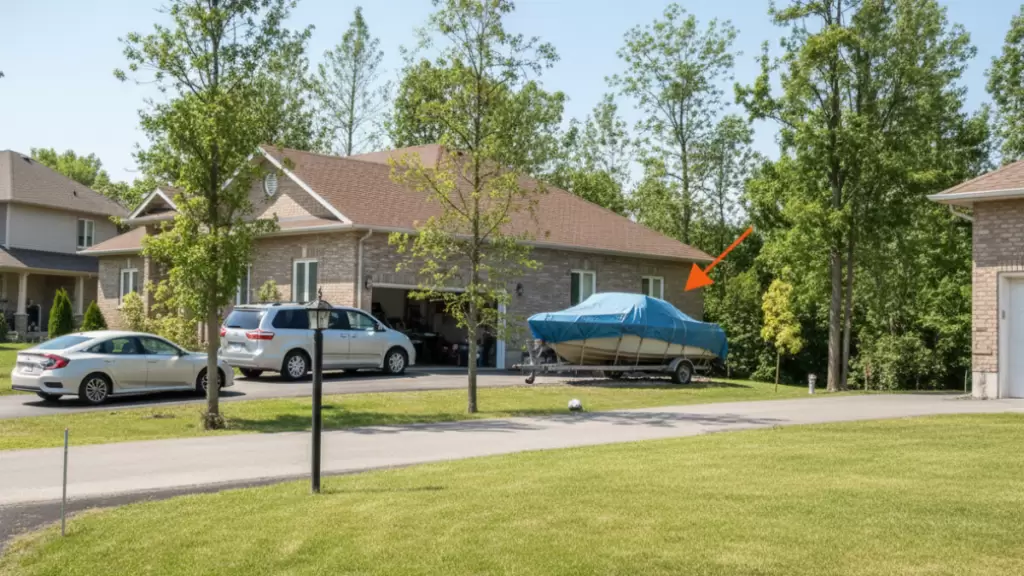
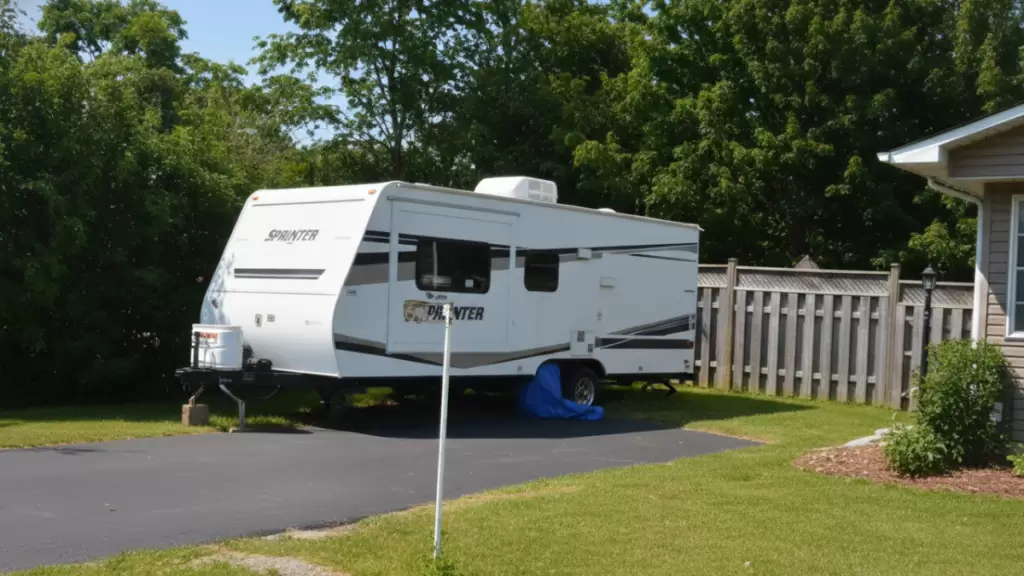
To maintain the residential character and visual continuity of the communities, the exterior storage of unauthorized vehicles—including unlicensed vehicles, ATVs, snowmobiles, and motorized watercraft—is strictly prohibited across all lots.  Furthermore, lots may not be used for the long-term parking of recreational vehicles, trailers, motor homes, or commercial vehicles exceeding a 1/2 ton capacity. All such equipment, as well as derelict vehicles or those under repair, must be housed within a garage or moved to an off-site facility to remain in compliance with property covenants

EXTERIOR STORAGE: OFF-ROAD VEHICLE STORAGE (COVENANT VIOLATION)

The exterior storage of boats and off-road vehicles on residential lots is Non-Compliant. According to property covenants, all such recreational equipment must be stored within a garage or at an off-site facility

EXTERIOR STORAGE: LONG-TERM TRAILER PARKING (COVENANT VIOLATION)

The long-term parking of recreational trailers on residential lots is a Non-Compliant use of the property that disrupts the visual continuity of the streetscape.

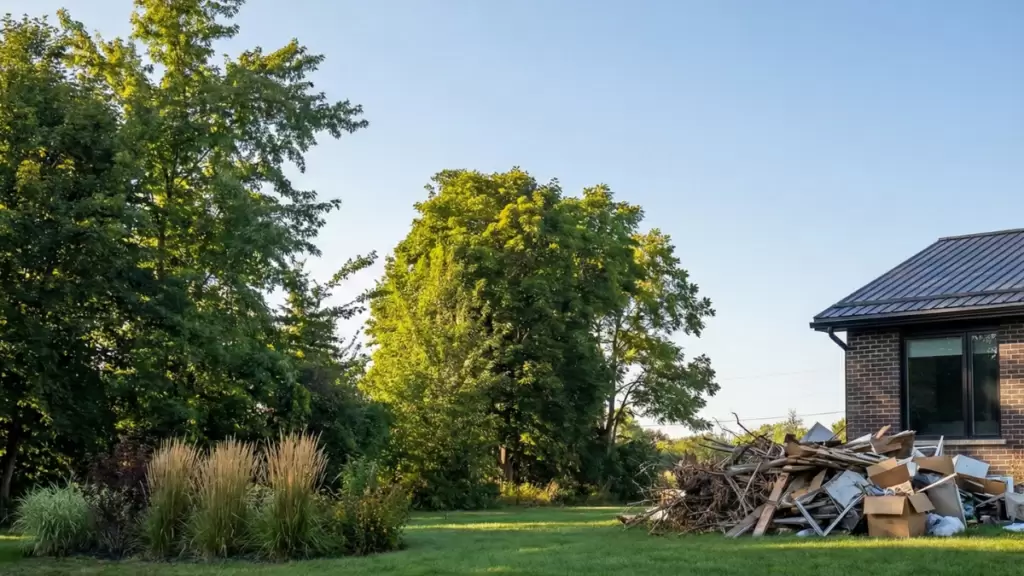
EXTERIOR STORAGE: ACCUMULATED DEBRIS (COVENANT VIOLATION)

To preserve property values and the aesthetic harmony of the neighborhoods, the visible accumulation of miscellaneous items, building materials, or debris is prohibited under the covenants.

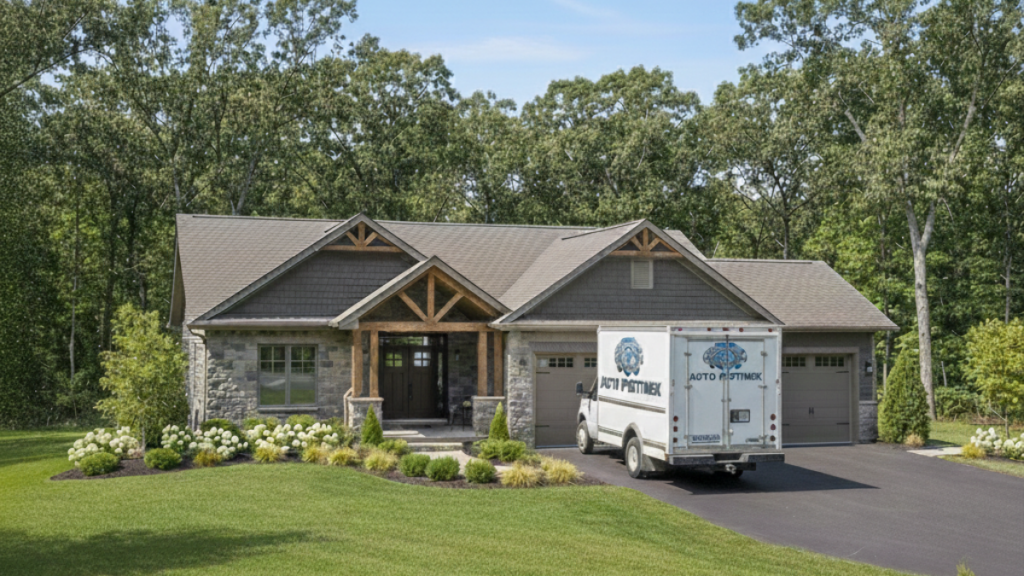
EXTERIOR STORAGE: large commercial vehicules (COVENANT VIOLATION)

The exterior parking or storage of commercial vehicles exceeding a 1/2 ton capacity is prohibited. Such vehicles impact the streetscape aesthetic and must be stored at a dedicated off-site facility to remain in compliance with property covenants.

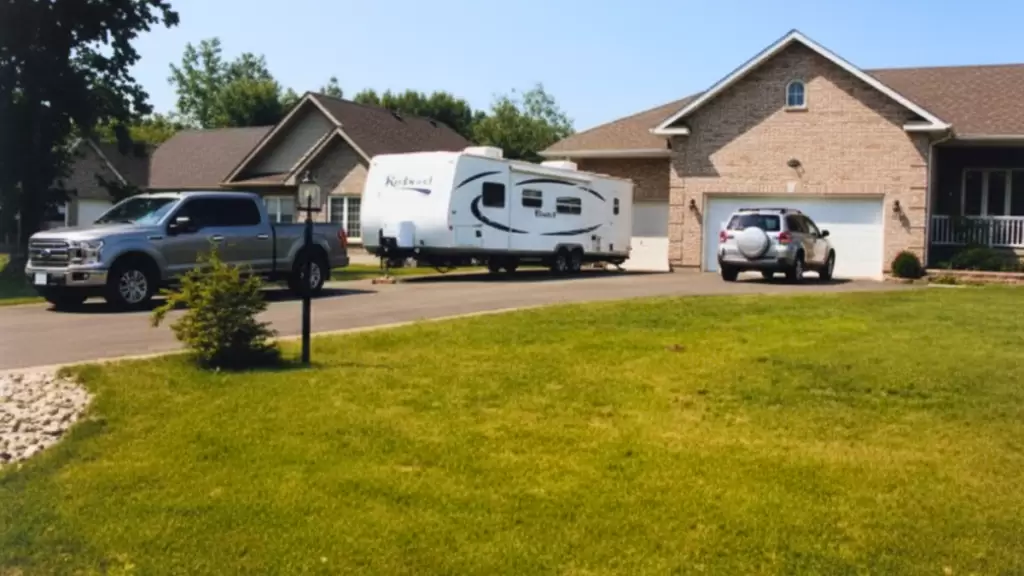
EXTERIOR STORAGE: DRIVEWAY RV PARKING (COVENANT VIOLATION)

The permanent driveway storage of large recreational vehicles and trailers significantly impacts the cohesive streetscape and architectural finishing of the neighborhood. To preserve property values and clear sightlines, these items must be relocated to an off-site storage facility.

Note: These images are examples only. All projects must be submitted via the Design Review form for formal approval.

Exterior Finishing

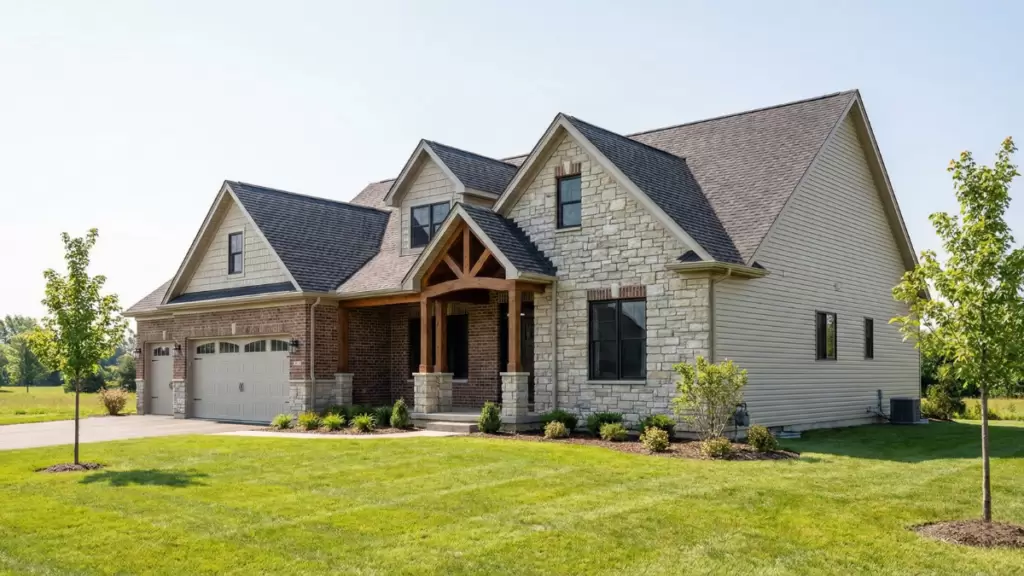
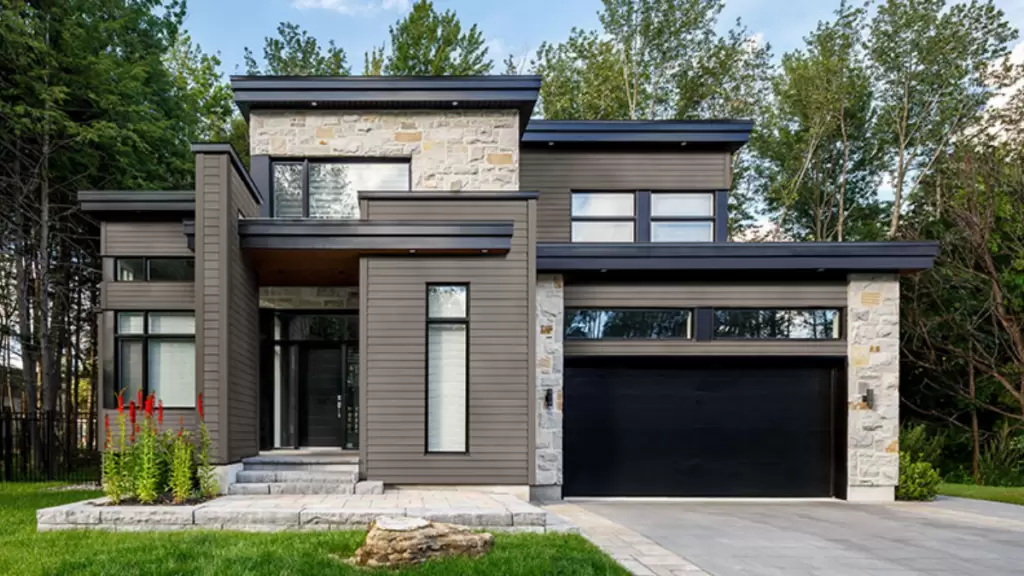
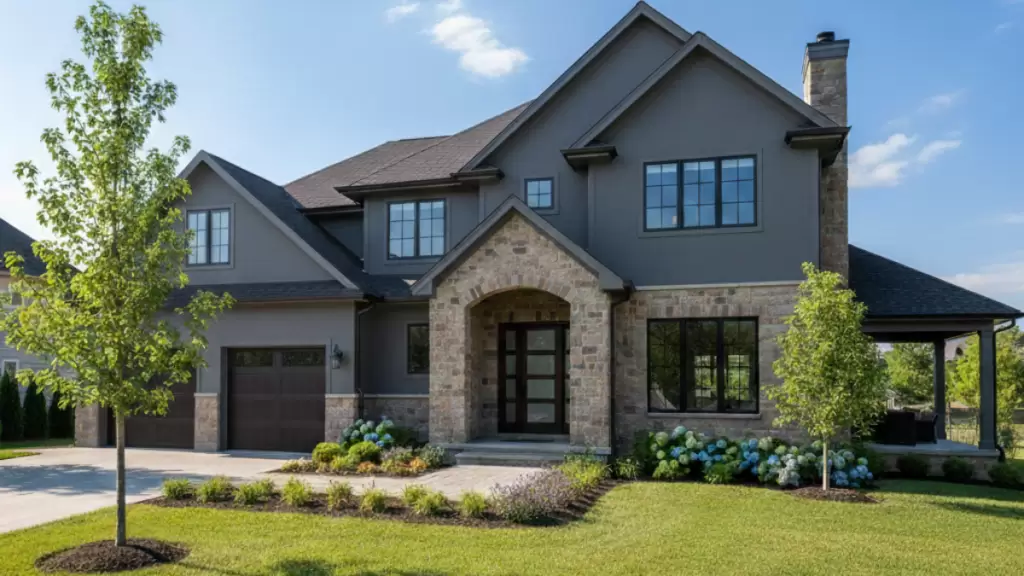
Design Review approval is required for all exterior finishing applications to ensure architectural consistency across the community. Wood, stone, brick, and stucco are the only authorized materials for any structure or landscape feature. Please be advised that synthetic siding or alternative materials are not permitted; all finishes must align with the high-quality, natural aesthetic established for the community.

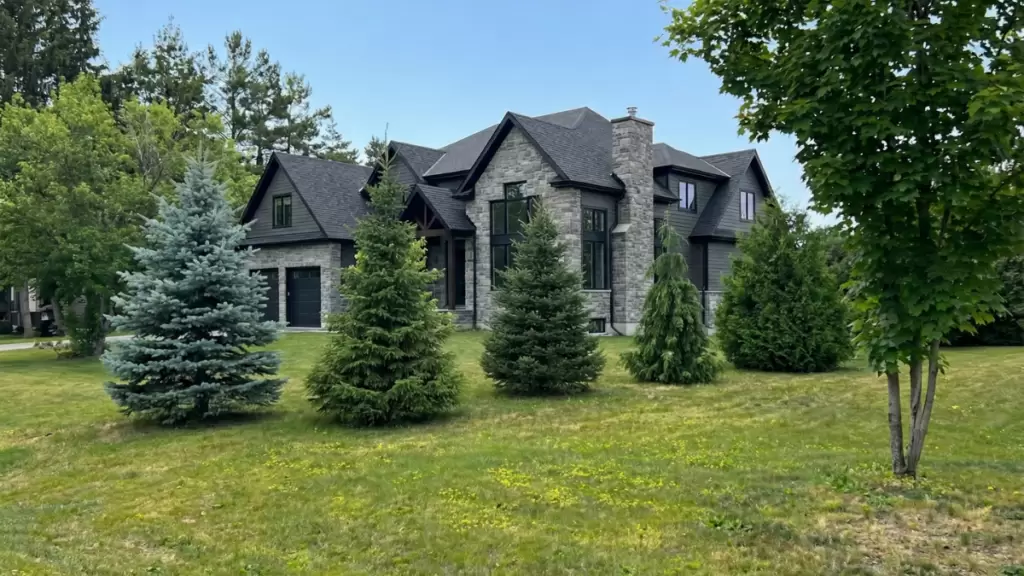
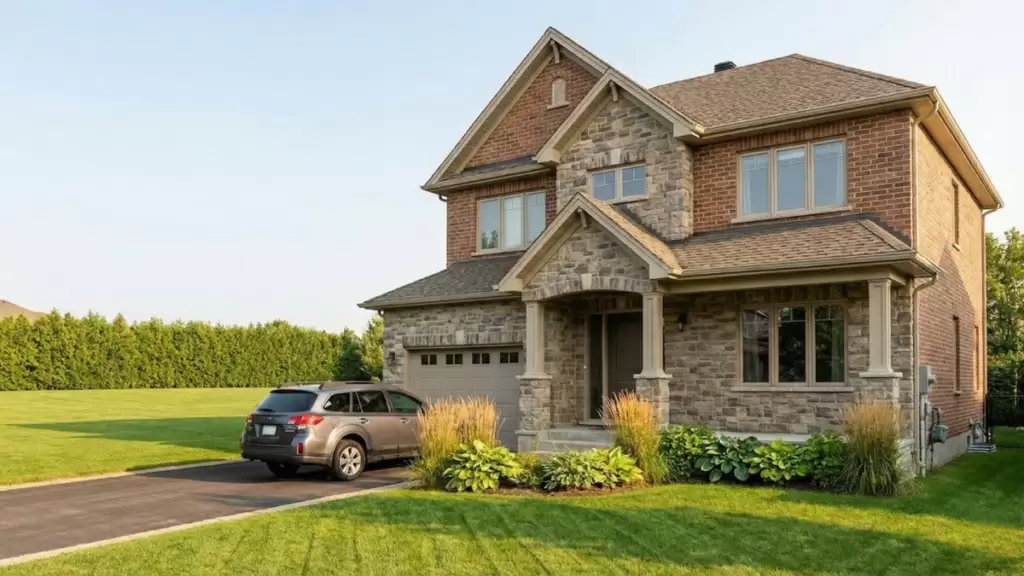
exterior cladding: brick+stone (approved)

Approved Material Synergy: This residence is fully compliant, utilizing a high-quality blend of natural stone and brick to meet the design review standards.

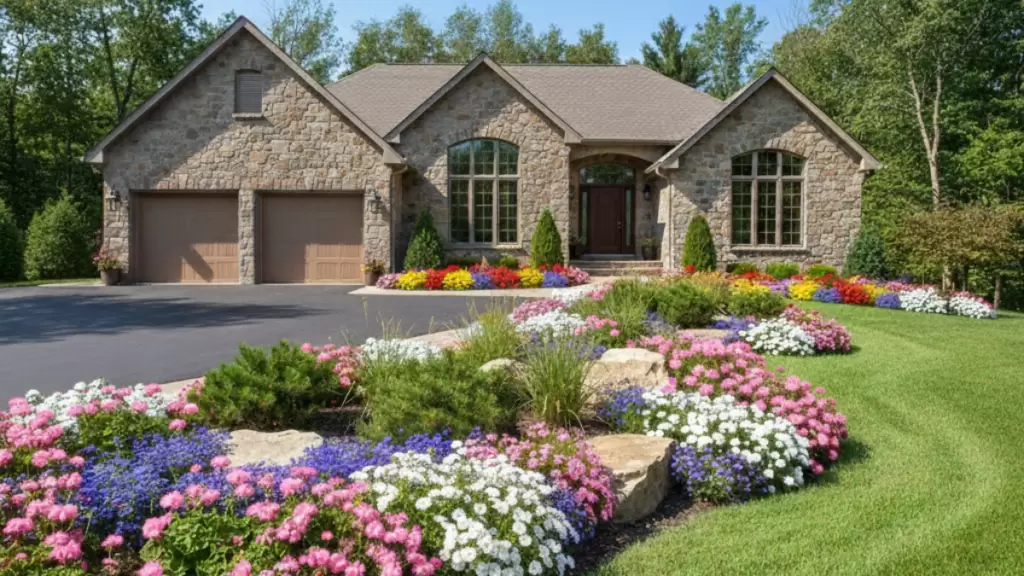
exterior cladding: stone (approved)

Landscape Harmony: This property demonstrates a seamless integration between its masonry and the surrounding grounds, creating a cohesive and timeless aesthetic.
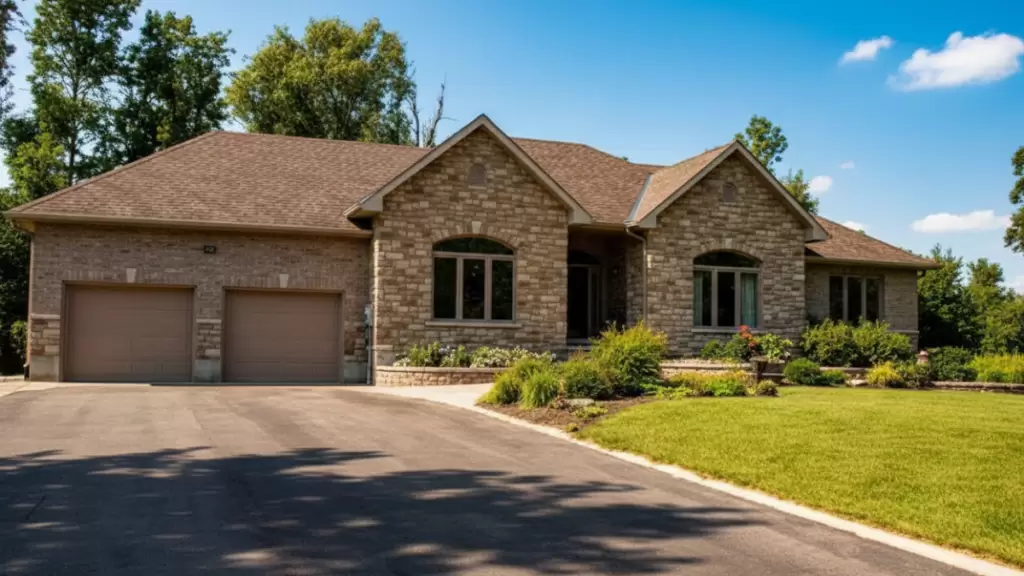
exterior cladding: use of vinyl siding (NOT approved)

Banned Material Example: Although the facade uses authorized stone, the structure remains unapproved due to the installation of vinyl siding on the sides.

exterior cladding: Hardie Board fiber cement lap siding (approved)

Approved Material Usage: This structure is permitted as it utilizes Hardie Board fiber cement in the approved lap siding format.

exterior cladding: stone (approved)

Compliant Design: By utilizing an approved stone finish, this project maintains the aesthetic integrity of the community while providing a durable, natural look.

exterior cladding: stone+stucco (approved)

Sustainable Design: A prime example of approved cladding, blending natural stone and stucco to ensure the structure is integrated into the property's natural landscape.

Note: These images are examples only. All projects must be submitted via the Design Review form for formal approval.

Swimming pools

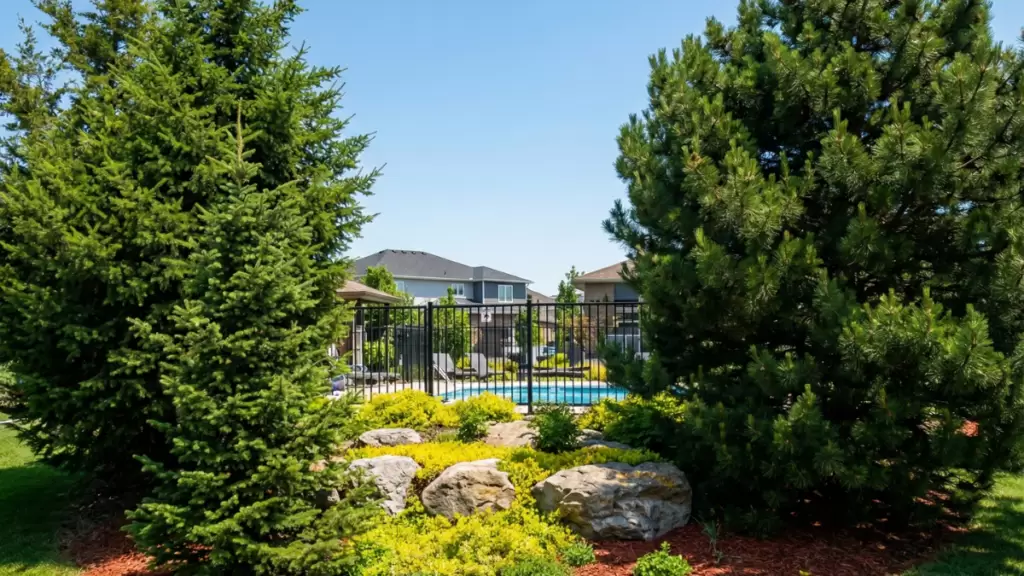
To ensure safety and aesthetic harmony, all in-ground pool enclosures must adhere to the same rigorous Design Review standards as residential fencing, including the requirement for dense vegetative buffering. Above-ground installations are permitted only when accompanied by 100% visual screening; the structural walls of the pool must remain entirely invisible from the street and neighboring properties through strategic landscaping or architectural integration.

pool: adequate screening (approved)

Aesthetic Success: This structure is approved because it is seamlessly integrated into the property's natural landscape through high-quality screening.

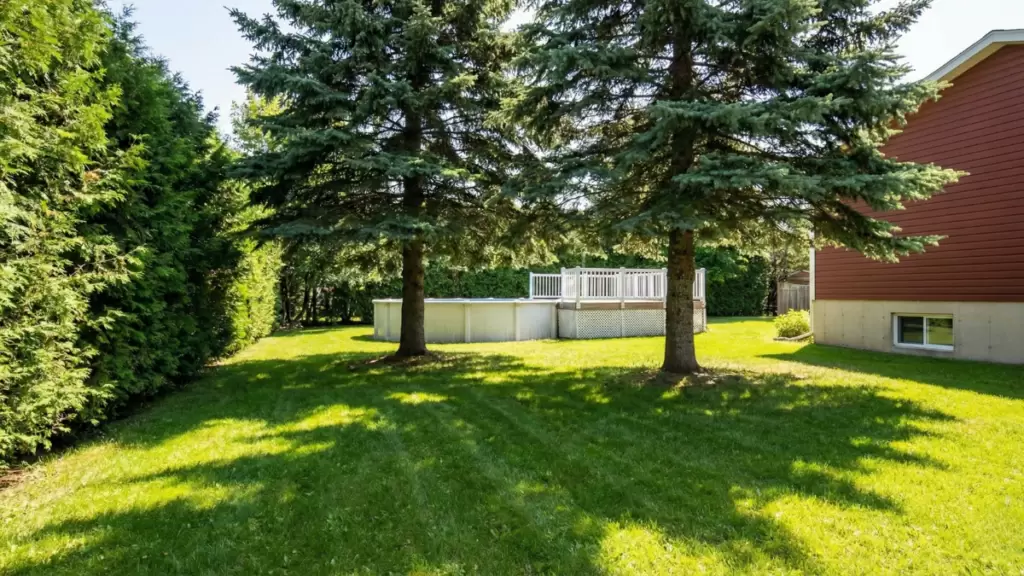
pool: adequate screening (approved)

Approved Installation: This pool is permitted as it is situated in a discreet location with excellent natural screening that integrates the structure into the landscape.

pool: inadequate screening (not approved)

Technical Deficiency: This pool is not approved as it violates the requirement for structures to be placed in a discreet location, leaving the walls clearly visible from neighboring views.

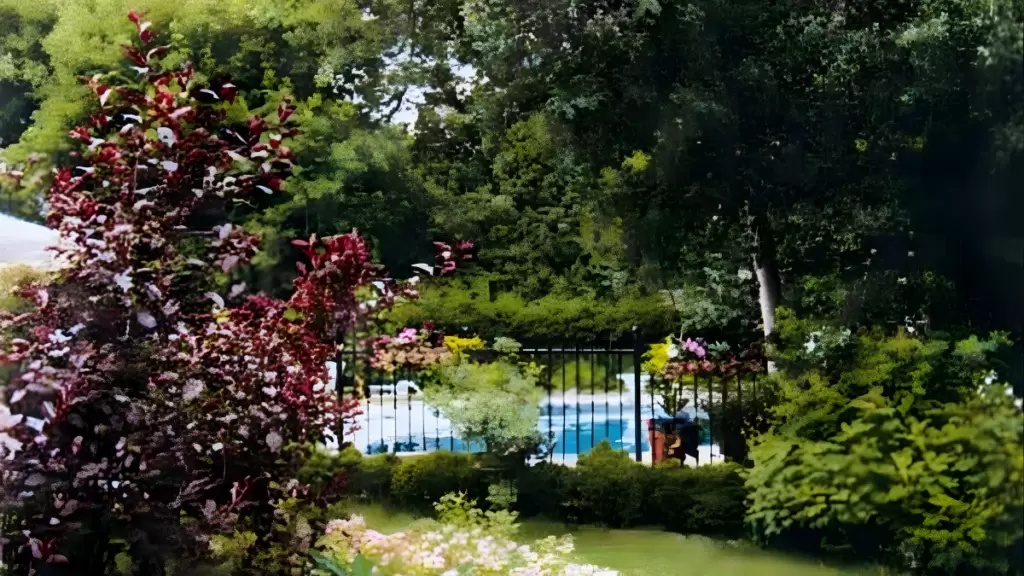
pool: adequate screening (approved)

Landscape Integration: By utilizing strategic greenery for screening, this pool successfully meets the standard of being tucked away and unobtrusive from neighboring views.

pool: adequate screening (approved)

Aesthetic Success: This structure is approved because it is seamlessly integrated into the property's natural landscape through high-quality screening.

pool: adequate screening (approved)

Compliant Design: This project is approved due to the effective use of tree clusters and topography, providing the screening necessary to maintain a secluded sanctuary.

pool: inadequate screening (not approved)

Non-Compliant Example: This in-ground pool is not approved as it is situated in a highly visible area without the necessary screening to integrate it into the property's natural landscape.

pool: inadequate screening (not approved)

Technical Deficiency: This pool is not approved as it violates the requirement for structures to be placed in a discreet location, leaving the walls clearly visible from neighboring views.

Note: These images are examples only. All projects must be submitted via the Design Review form for formal approval.